Motion Simulator vs Haptics: What Actually Makes Sim Racing Feel Real?
Once your wheel, pedals and rig are dialed in, the next question is immersion: how do you feel the track in your body, not just your hands? The two answers — motion and haptics — do very different things.
What motion platforms do
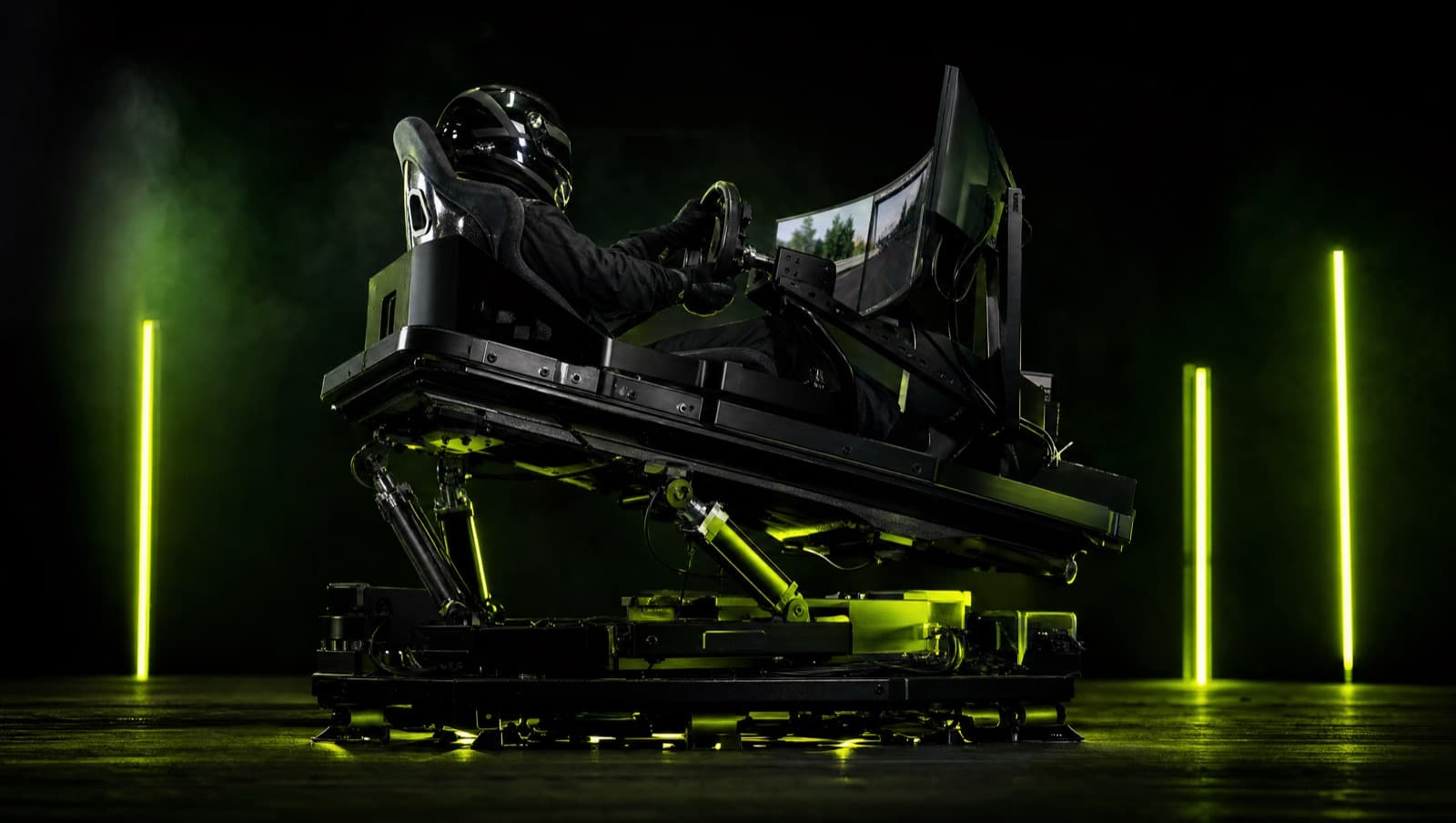
A motion platform physically tilts and moves your whole rig. You feel the nose dive under braking, the body roll through a corner and the rear step out before your eyes even catch it.
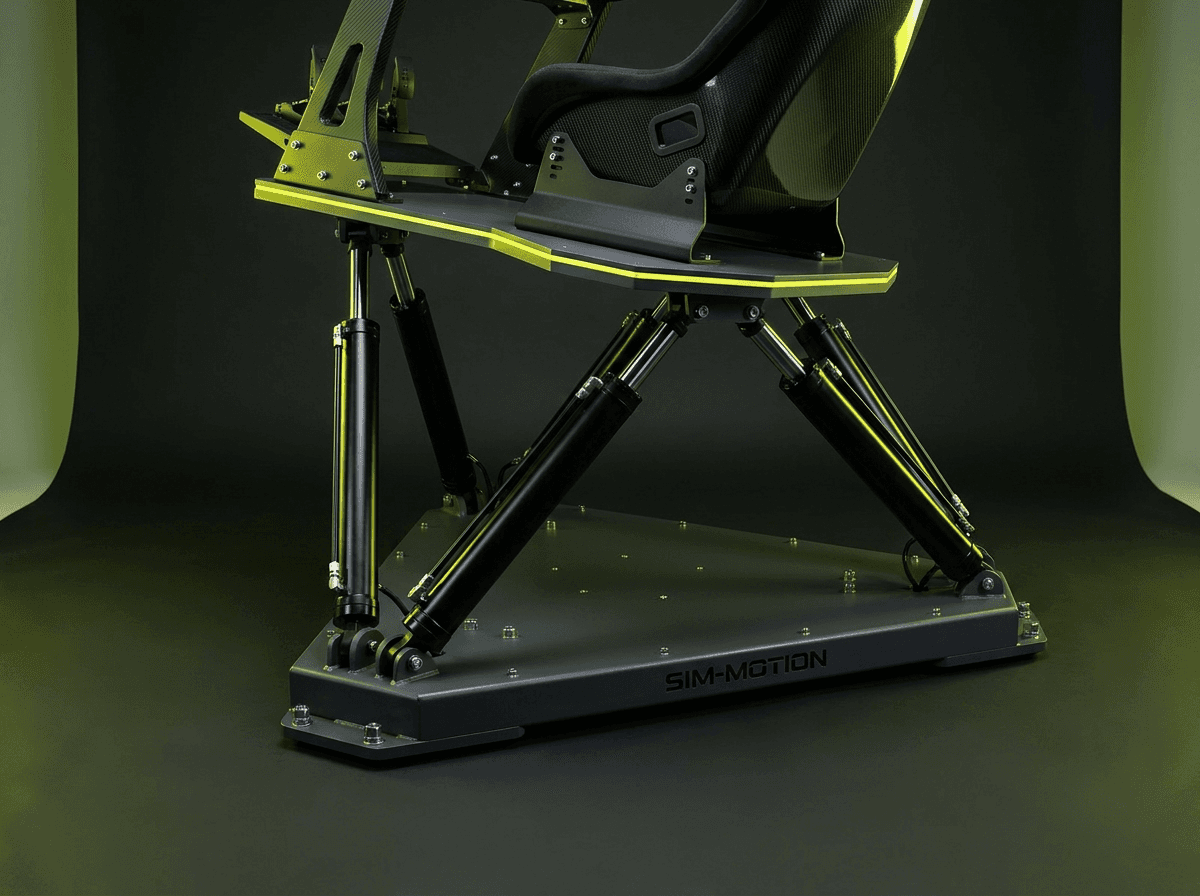
That extra cue is huge for car control — the Motion 2 platform gives you pitch and roll, the two axes that matter most for reading grip.
What haptics do
Haptic transducers (bass shakers) bolt to your seat and pedals and vibrate to represent kerbs, ABS, gear shifts and tyre scrub. They don't move you, but they add a layer of texture and information.
A haptic pack is the cheapest way to dramatically increase immersion, and it stacks perfectly on top of motion.
Which first?
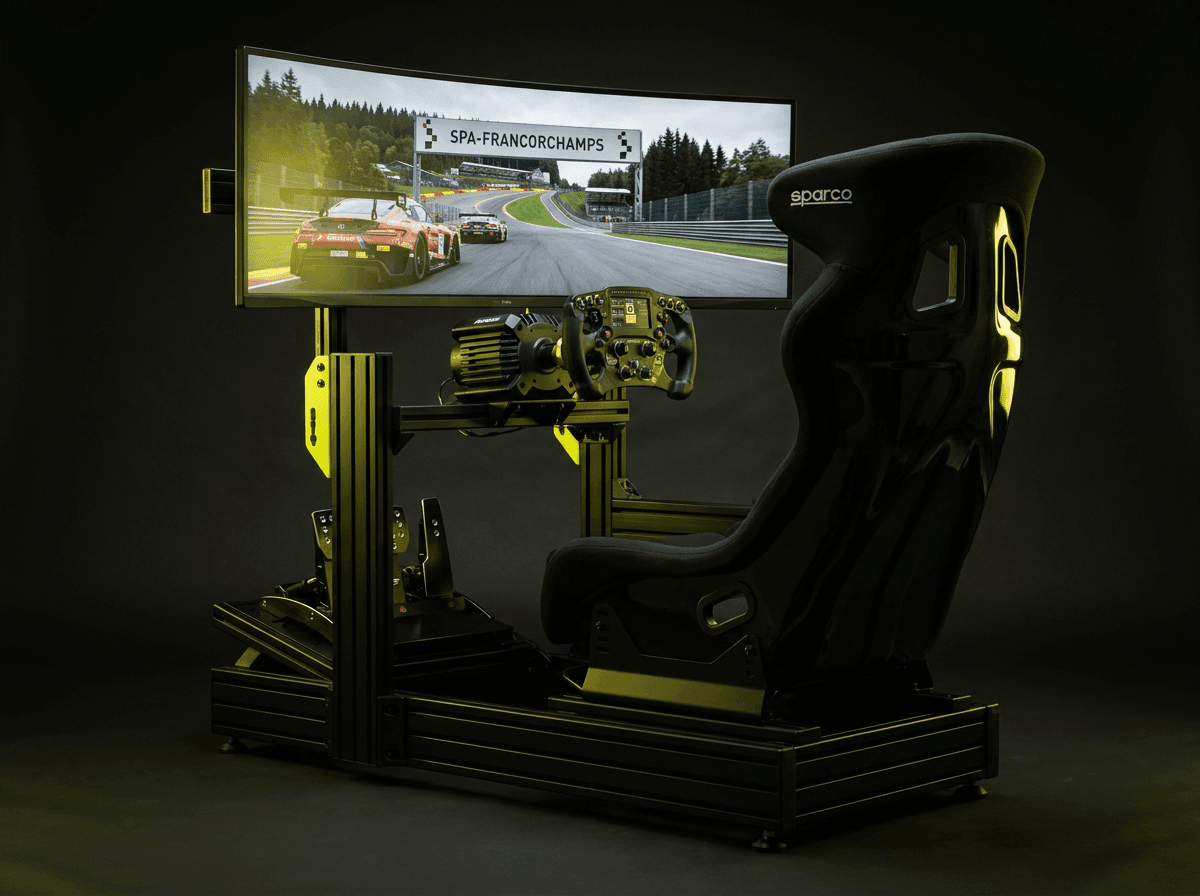
On a budget, start with haptics — huge immersion gain for the money. If you want the closest thing to a real cockpit and car-control benefit, motion is the upgrade. Our Station Elite Motion combines both.
Frequently asked
Does motion make you faster?+
It can. Feeling weight transfer and the rear stepping out through your body helps you catch slides earlier and trust the car's limit, which improves car control.
Are bass shakers worth it?+
For the price, they're one of the best immersion upgrades in sim racing. They add kerb, ABS and traction cues you otherwise only see, not feel.
Recommended products
Ready to build your setup?
Shop the full lineup or grab a pre-matched bundle and skip the guesswork.